


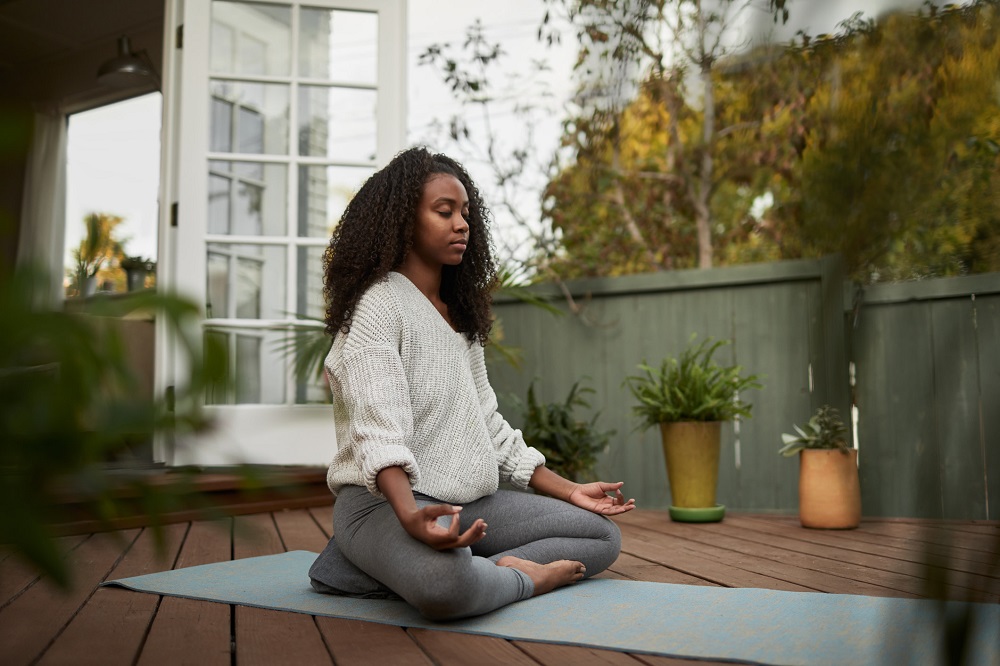
Meditation looks simple from the outside—sit quietly, breathe, and relax. But when beginners actually try it, the mind often feels louder than ever. Thoughts bounce around, the body gets restless, and it’s easy to assume you’re “not good at it.” The truth is that this is entirely normal. Meditation isn’t about having a perfectly calm mind. It’s about learning how to work with your mind in a steadier, supportive way.
That’s why meditation for beginners should focus on simplicity and consistency, not intensity. When you start with small steps and realistic expectations, meditation becomes easier to maintain. Over time, those short, repeated sessions can improve stress response, build emotional balance, and support clearer thinking throughout the day.
What Beginners Should Know Before Starting
Meditation is a skill, and the practice is the repetition of returning your attention. If your mind wanders, you didn’t fail—you noticed, and that’s the point. Each time you come back to your breath or focus point, you’re strengthening awareness.
Here are a few beginner truths that make meditation easier:
- Thoughts will appear, even during “good” sessions
- Restlessness is typical, especially at the start
- Calm is a side effect, not a requirement
- Consistency matters more than long sessions
When you accept these basics, meditation stops feeling like a test and starts feeling like training.
A Simple Way to Begin in Five Minutes
The easiest way to build confidence is to start short. Five minutes is enough to learn the core skill without feeling overwhelmed. Once it becomes familiar, you can gradually increase the time.
Try this beginner-friendly method:
- Sit comfortably on a chair or cushion
- Relax the shoulders and soften the face
- Focus on breathing in and breathing out
- When the mind wanders, gently return to the breath
- Continue until the timer ends
That’s it. No special posture required, no perfect silence needed. The practice is returning again and again.
Choosing the Best Meditation Style for Beginners
Beginners often think there is only one “right” way to meditate. In reality, there are multiple styles, and choosing the right one can help you stay consistent.
Here are a few beginner-friendly options:
Breath Awareness
This is the simplest method. You focus on the natural flow of breathing. It’s accessible and works well for building a foundation.
Body Scan
You move attention through the body, noticing sensations and releasing tension. This is great for stress relief and bedtime routines.
Counting Breaths
Count each exhale from 1 to 10, then repeat. It gives the mind structure and helps reduce wandering.
Guided Meditation
A guided session provides instruction and pacing, which can be helpful if you feel uncertain or distracted when practicing alone.
You can start with one style and experiment later. Consistency first, variety later.
How to Stay Consistent Without Relying on Motivation
Most people quit because they expect motivation to carry them. But motivation changes daily. The key to consistency is creating a simple system that works even when you’re tired, busy, or not in the mood.
A beginner-friendly habit system includes:
- A small-time goal you can repeat daily
- A consistent cue that reminds you to practice
- A simple structure so you don’t overthink
- A flexible mindset that allows imperfect sessions
Meditation becomes sustainable when it feels like a small routine rather than a big task.
Best Times for Beginners to Meditate
There’s no universal “best time.” The best time is the one you can repeat most days. Choose a time window that fits your real schedule, not an ideal one.
Common beginner-friendly options:
- Morning: Helps you start the day with clarity
- Midday: Breaks the cycle of stress and mental fatigue
- Evening: Helps you transition out of work mode
- Before bed: Supports relaxation and sleep
If your schedule changes, create a “backup time.” For example, if morning doesn’t happen, do a short session after lunch.
Common Beginner Mistakes and Simple Fixes
Many beginners stop because they misunderstand what meditation should feel like. Here are a few common mistakes—and what to do instead:
- Mistake: Trying to stop thoughts
- Fix: Let thoughts come and go, then return attention gently
- Mistake: Meditating too long, too soon
- Fix: Start with 3–5 minutes and build gradually
- Mistake: Expecting instant calm
- Fix: Look for small changes like better focus or faster stress recovery
- Mistake: Being too strict
- Fix: Keep it flexible and restart after missed days without guilt
Meditation is most effective when it feels supportive, not punishing.
A Simple Two-Week Beginner Plan
If you want a clear starting path, use this two-week plan. It’s designed to build consistency without pressure.
- Days 1–4: 5 minutes of breath awareness
- Days 5–7: 7 minutes with breath counting
- Days 8–11: 10 minutes with a body scan
- Days 12–14: 10 minutes combining breath focus and open awareness
This progression helps your mind and body adapt gradually. The goal is steady practice, not perfect sessions.
Building Confidence Through Small Wins
Meditation is one of those skills where progress can be subtle. You may not notice a dramatic change overnight, but you may catch yourself reacting less quickly, sleeping more deeply, or feeling calmer during stressful moments. These small shifts are signs the practice is working.
Many beginners explore structured guidance through resources like Op e n, but the foundation is always the same: start small, practice consistently, and treat every session as a fresh beginning. With time, meditation for beginners becomes less about “trying to meditate correctly” and more about having a reliable tool for calm, clarity, and steadiness in everyday life.