

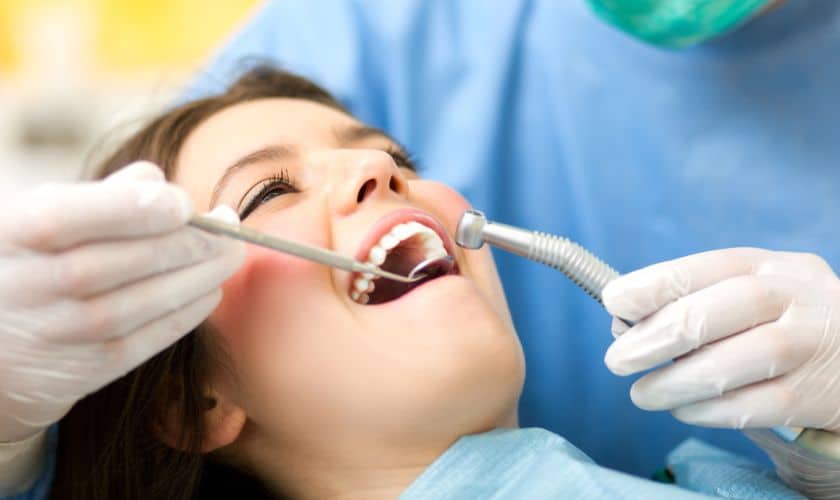
Good oral hygiene is important for keeping your teeth and gums healthy. It includes brushing and flossing every day and visiting your dentist regularly for checkups and cleanings. Taking care of your mouth not only helps you have a beautiful smile but also supports your overall health.
What Is Oral Hygiene?
Oral hygiene refers to maintaining a clean and disease-free mouth. It involves daily brushing, flossing, and regular dental visits for exams, X-rays, and professional cleanings.
Why Is Oral Hygiene Important?
Maintaining good oral hygiene helps prevent problems such as cavities, gum disease, and bad breath. It also protects your general health because bacteria from your mouth can travel through your bloodstream and cause issues in other parts of your body, such as the heart. If you’re looking for guidance on proper oral care, a dentist near me can provide personalized advice and treatment. Poor oral health has been linked to serious conditions like heart disease, stroke, and pregnancy complications.
Health conditions such as diabetes, osteoporosis, HIV/AIDS, and Alzheimer’s disease can also affect your teeth and gums. If you have any of these, it’s especially important to follow a good oral care routine.
Signs of Poor Oral Hygiene
Common signs that show poor oral health include:
Bleeding or swollen gums
/0Tooth decay or cavities
Persistent bad breath
Loose teeth
Gum recession
Sores that do not heal
Toothaches or jaw swelling
If you notice these symptoms, you should visit your dentist as soon as possible.
How to Improve Oral Hygiene
Following a consistent routine can greatly improve your oral health:
Brush twice a day. Use a soft-bristle toothbrush and fluoride toothpaste. Hold your brush at a 45-degree angle to your gums and clean all sides of your teeth.
Floss once a day. Flossing removes food and plaque between teeth where the brush can’t reach. Wrap the floss around each tooth in a “C” shape and move it gently up and down. If flossing is difficult, you can use small interdental brushes or dental picks.
Clean your tongue. Bacteria collect on your tongue, causing bad breath. Rub your tongue using a brush or use a tongue scraper daily.
Use mouthwash. An antibacterial mouthwash helps reduce bacteria and freshen breath. Choose one without alcohol to prevent dryness.
Avoid tobacco. Smoking and chewing tobacco can cause gum disease, tooth loss, and oral cancer.
Visit your dentist regularly. Most people should go every six months for checkups and cleanings. Some may need more frequent visits depending on their oral health condition.
Benefits of Good Oral Hygiene
Practising good oral hygiene offers many benefits, such as:
Healthy teeth and gums
A bright and confident smile
Fresher breath
Lower chances of needing fillings or other dental treatments
Reduced risk of serious health problems like heart disease and diabetes
Saving money on expensive dental procedures
Dental Checkups and Cleanings
Most people should see their dentist twice a year for cleaning and exams. However, if you are more prone to cavities or gum problems, your dentist may suggest visiting every three to four months. Regular checkups help detect issues early and keep your mouth healthy.
In short, oral hygiene is an important part of a healthy lifestyle. By brushing, flossing, and visiting your dentist regularly, you can protect your teeth, keep your smile bright, and improve your overall well-being.