

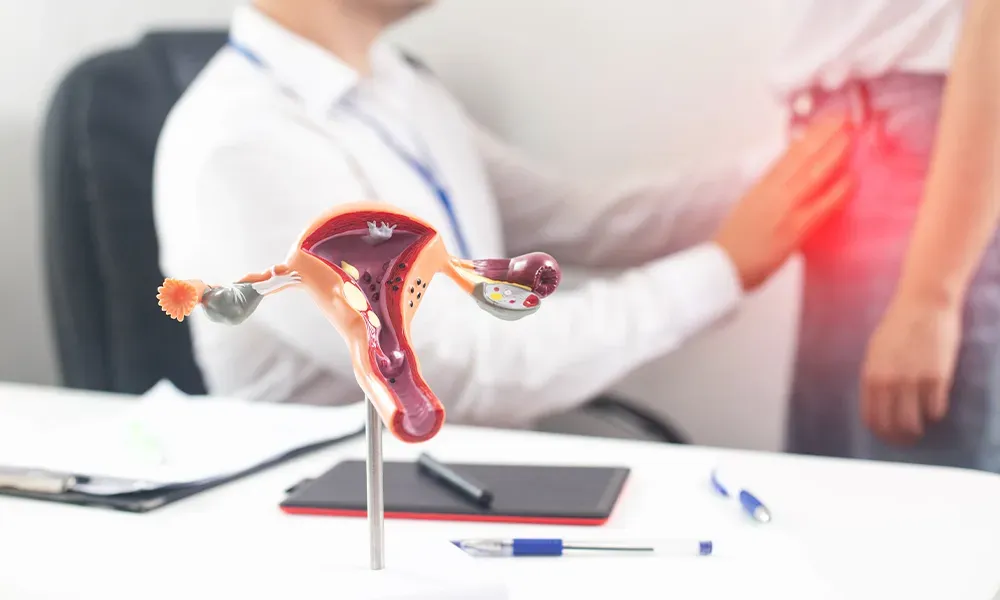
Uterine fibroids are non-cancerous growths that develop in or around the uterus and are a common health concern for women of reproductive age. While many fibroids cause no symptoms, others can lead to pain, heavy menstrual bleeding, and reproductive challenges. Understanding when to seek expert care and what options are available for uterine fibroids treatment in London can help women make informed health decisions and access the right support at the right time.
What Are Uterine Fibroids?
Uterine fibroids, also known as leiomyomas, are benign muscular growths that vary in size, number, and location within the uterus. They can be:
- Intramural (within the uterine wall)
- Subserosal (on the outer surface)
- Submucosal (beneath the inner lining)
Symptoms can range from none at all to heavy periods, pelvic pressure, urinary problems, anaemia, and pain during intercourse. While fibroids are very common, symptom severity and individual health goals determine the need for intervention.
When Should You Consult a Gynaecologist Specialist in London?
Consulting a gynaecologist specialist in London is recommended if you are experiencing any of the following:
Persistent or Severe Symptoms
- Heavy or prolonged menstrual bleeding
- Pelvic pain, pressure, or discomfort
- Frequent urination or difficulty emptying the bladder
- Constipation or discomfort during bowel movements
- Painful intercourse
These symptoms may significantly disrupt daily life and warrant professional evaluation.
Reproductive Concerns
If you are trying to conceive, have had miscarriages, or face fertility challenges, a gynaecologist specialist can assess whether fibroids are contributing and advise on appropriate interventions.
Rapid Growth or Increased Pain
Fibroids that grow quickly or cause escalating symptoms should be evaluated promptly to rule out complications and discuss treatment pathways.
Understanding Uterine Fibroids Treatment Options
There is no single “best treatment for fibroids” that applies to every case. The most suitable approach depends on factors such as symptom severity, fibroid size and location, age, reproductive goals, and overall health. At specialist clinics offering uterine fibroids treatment in London, options typically include:
Conservative Management
For women with minimal or no symptoms, monitoring and lifestyle adjustments may be recommended. Regular check-ups with a gynaecologist specialist can help track changes and decide if intervention becomes necessary.
Medical Therapy
Medications may be used to manage symptoms such as heavy bleeding and anaemia. Hormonal treatments, including certain oral therapies or intrauterine devices, can reduce menstrual flow and provide symptomatic relief.
Minimally Invasive Procedures
Several minimally invasive options aim to reduce fibroid size and relieve symptoms without major surgery. These may include:
- Uterine artery embolisation (UAE): A radiological procedure that cuts off blood supply to fibroids, causing them to shrink.
- MRI-guided focused ultrasound: A non-invasive method that uses targeted energy to destroy fibroid tissue.
A gynaecologist specialist in London will assess which procedures are suitable based on individual medical profiles.
Surgical Options
When fibroids cause significant symptoms or affect fertility goals, surgical intervention may be recommended:
- Myomectomy: Removal of fibroids while preserving the uterus, often recommended for women who wish to maintain fertility.
- Hysterectomy: Complete removal of the uterus, typically recommended when other treatments are unsuitable or have failed, and when childbearing is not a future priority.
Each surgical option has its own recovery profile and is discussed in detail with patients to ensure informed decision-making.
Choosing the Right Specialist in London
Selecting an experienced gynaecologist specialist in London is a crucial step in accessing effective uterine fibroids treatment. A specialist will take a comprehensive history, perform appropriate imaging and diagnostics, and present personalised treatment recommendations. Key considerations when choosing a specialist include:
- Expertise in minimally invasive and advanced fibroid therapies
- Experience in fertility-preserving procedures
- Clear communication and shared decision-making
- Access to multidisciplinary care when needed
Preparing for Your Appointment
Before seeing a gynaecologist specialist, it can be helpful to prepare:
- A record of symptoms, including their frequency and impact
- Details about menstrual cycles and any recent changes
- Information about past medical history and current medications
- Questions about treatment options and what to expect
Being prepared ensures that your consultation is thorough and that your treatment plan aligns with your health goals.
Supporting Your Well-Being Through Treatment
Managing uterine fibroids is not only about medical or surgical care; holistic support is equally important. Many women benefit from a combination of symptom management, emotional support, and follow-up care. A trusted gynaecologist specialist in London will guide you through both the clinical and supportive aspects of your treatment journey.
Final Insights on Fibroid Care in London
Uterine fibroids can significantly affect quality of life, but a range of effective options are available for uterine fibroids treatment London. Whether your symptoms are mild or severe, early consultation with a gynaecologist specialist London ensures that you receive personalised care suited to your needs. Exploring the most appropriate and evidence-based approaches helps you make decisions with confidence, comfort, and clarity.