

The journey toward achieving a perfect smile often comes down to two main options, invisible aligners and traditional braces. Both are effective in straightening teeth and improving oral health, but they differ in appearance, comfort, treatment duration, and cost. Invisalign Suwanee GA provides a modern and discreet alternative for those seeking convenience and aesthetics. Understanding these differences can help you decide which treatment best fits your needs, lifestyle, and budget.
Invisible Aligners
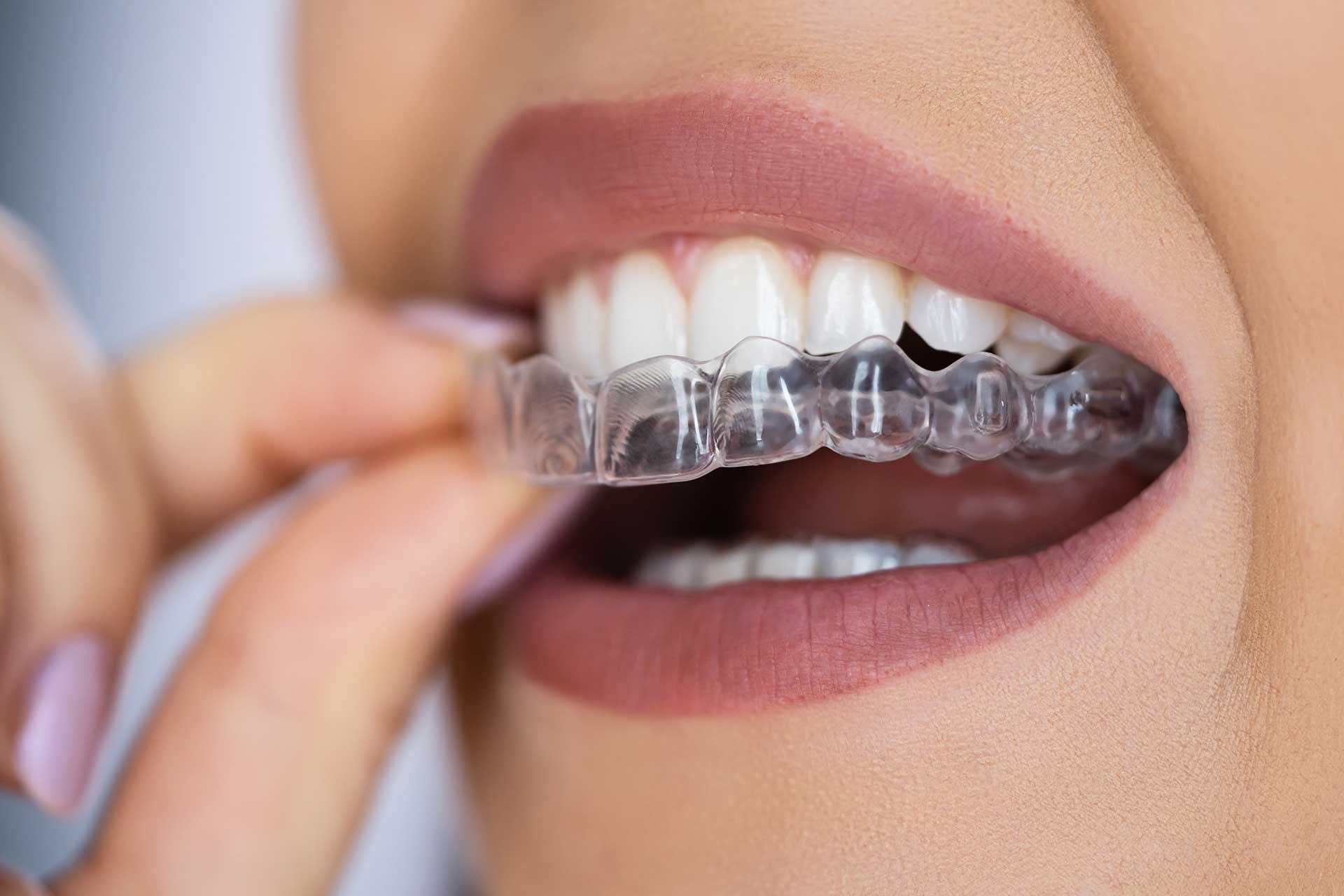
Invisible aligners are clear, removable plastic trays made to fit perfectly over your teeth. They work by gradually shifting the teeth into their desired positions. Every few weeks, the aligner set is replaced with a new one that continues the movement process. Since they are transparent, they are barely noticeable, making them a popular choice among adults and teenagers who prefer a more discreet treatment.
These aligners are created using advanced 3D scanning technology, allowing the dentist or orthodontist to design a customized plan for each patient. To be effective, aligners need to be worn for about 20 to 22 hours a day. They can be removed while eating or brushing, which makes them more convenient and easier to maintain than fixed braces.
Traditional Braces
Traditional braces use metal or ceramic brackets attached to the teeth, connected with wires and elastic bands. The constant pressure applied helps move teeth into proper alignment over time. While metal braces are more noticeable, ceramic braces blend in slightly better but can be more expensive.
With braces, regular visits to the orthodontist are required for adjustments. These appointments are important to ensure that the wires are tightened and the teeth are moving according to plan.
Appearance and Comfort
When it comes to looks, invisible aligners clearly have an advantage. Their transparent design makes them almost invisible, which helps people feel more confident during treatment. Braces, on the other hand, are more visible, which can make some people self-conscious.
In terms of comfort, aligners tend to be smoother and gentler since they don’t have metal wires or brackets that can irritate the gums or inner cheeks. However, some mild discomfort is normal when switching to a new set of aligners, as the teeth begin to shift.
Treatment Duration and Cost
Treatment time can vary depending on the severity of the case. Invisible aligners usually take around 6 to 18 months, while traditional braces may take 18 months to 3 years. Braces might take longer, but they are often more effective for complex cases.
The cost of treatment also differs. Invisible aligners are generally more expensive than braces because of the technology used and the customization involved. They may also have additional costs for replacements if aligners are lost or damaged.
Final Thoughts
Both invisible aligners and traditional braces can successfully transform your smile. If appearance, comfort, and flexibility matter most to you, invisible aligners may be the better choice. But if you’re looking for a cost-effective and reliable option for complex corrections, traditional braces might be ideal. Ultimately, the right choice depends on your budget, lifestyle, and dental needs, but either way, both can lead you to a healthier, more confident smile.