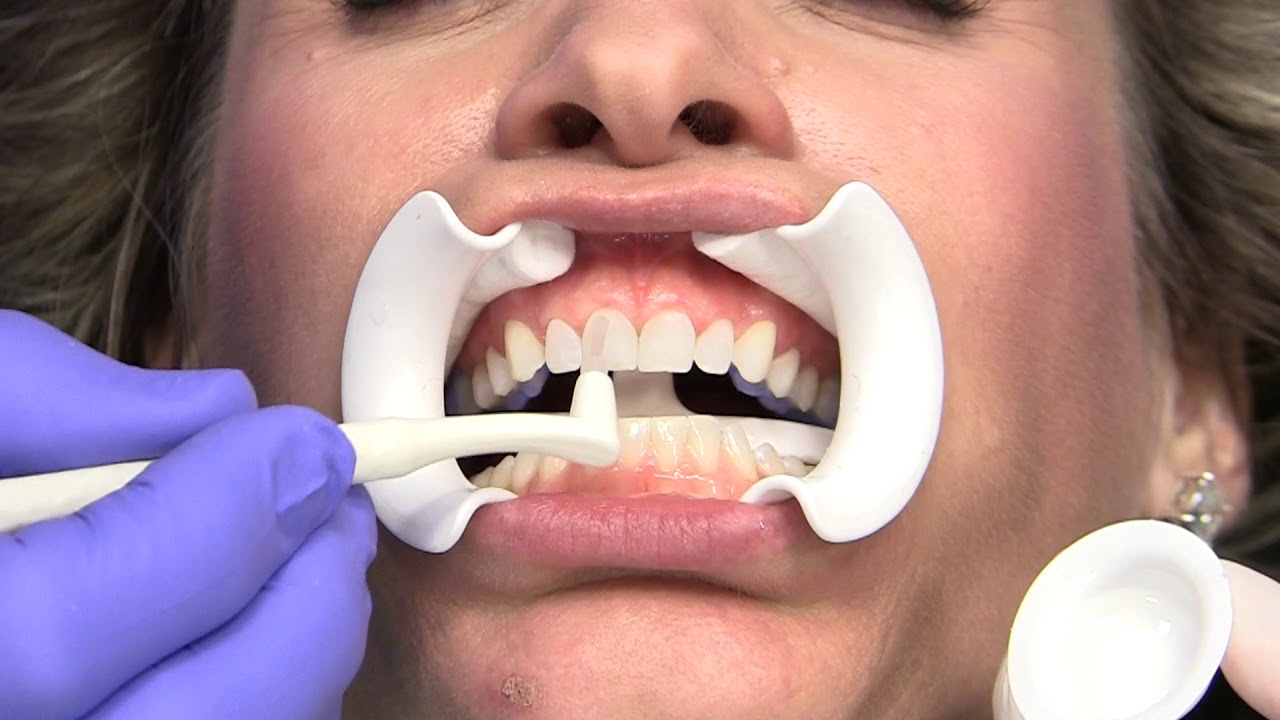


The primary dental tools used to align teeth while creating a suitable bite structure are braces and palate expanders. The orthodontic tools enable patients to get better smiles while promoting healthy teeth by addressing bite problems and correcting overgrown teeth and misalignment. The orthodontic treatments operate effectively for both young patients and adults.
Your search for options will begin with understanding how braces and expanders function when learning about them for your child or yourself. Marysville families looking for orthodontic solutions will find Smokey Point Braces as one of their treatment options because of their personalized care methodology and flexible appointment management system. The search for braces in Marysville has become straightforward because local clinics now offer modern orthodontic solutions across different budget ranges.
What Are Braces?
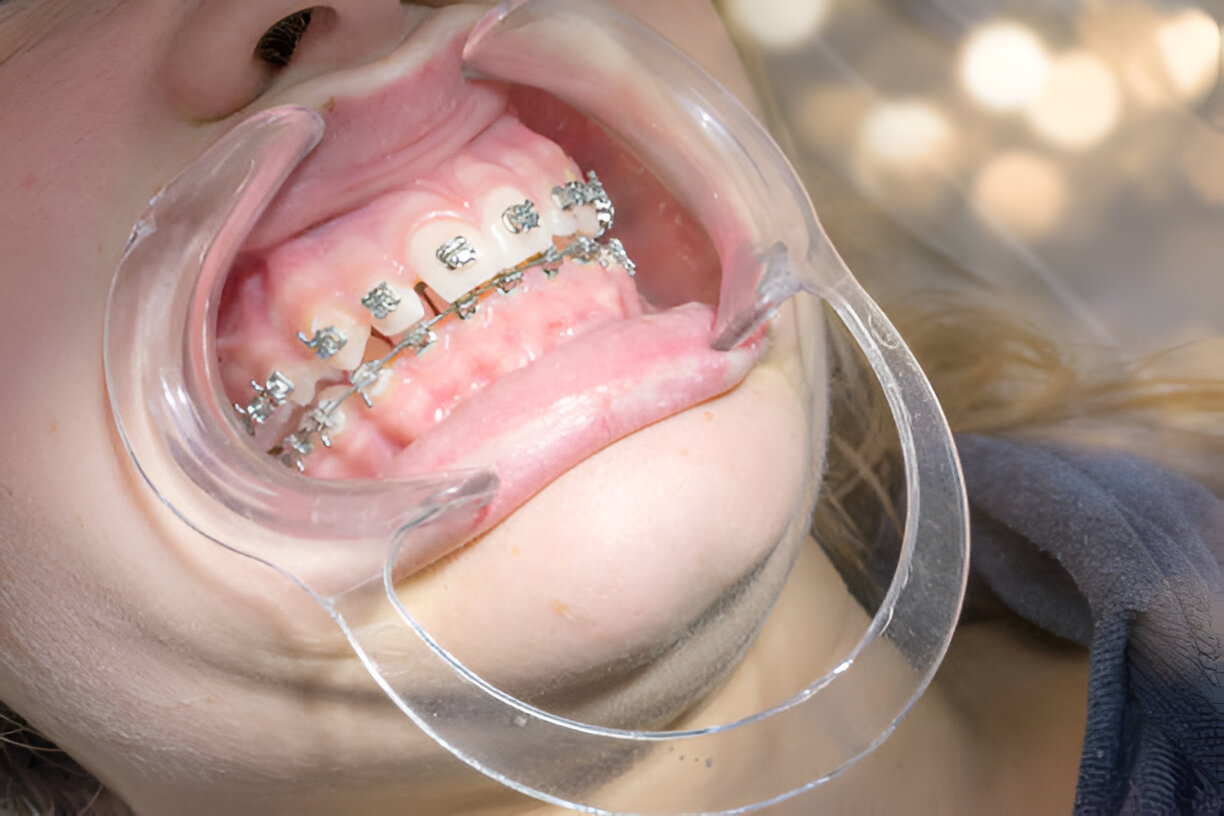
Braces act as dental devices that correct teeth abnormalities and handle bite positioning problems. The consistent force that braces apply leads to the gradual alignment of teeth as time passes. Both ceramic braces and clear aligners have replaced traditional metal braces because of their low visibility and broader availability.
The dental appliance consists of tooth brackets and an archwire with rubber bands that guide the teeth while attached to the mouth. The typical duration of the orthodontic treatment varies according to case complexity from eighteen months to three consecutive years. Regular checkups enable proper scheduling maintenance while helping to adjust the braces.
What’s a Palate Expander?
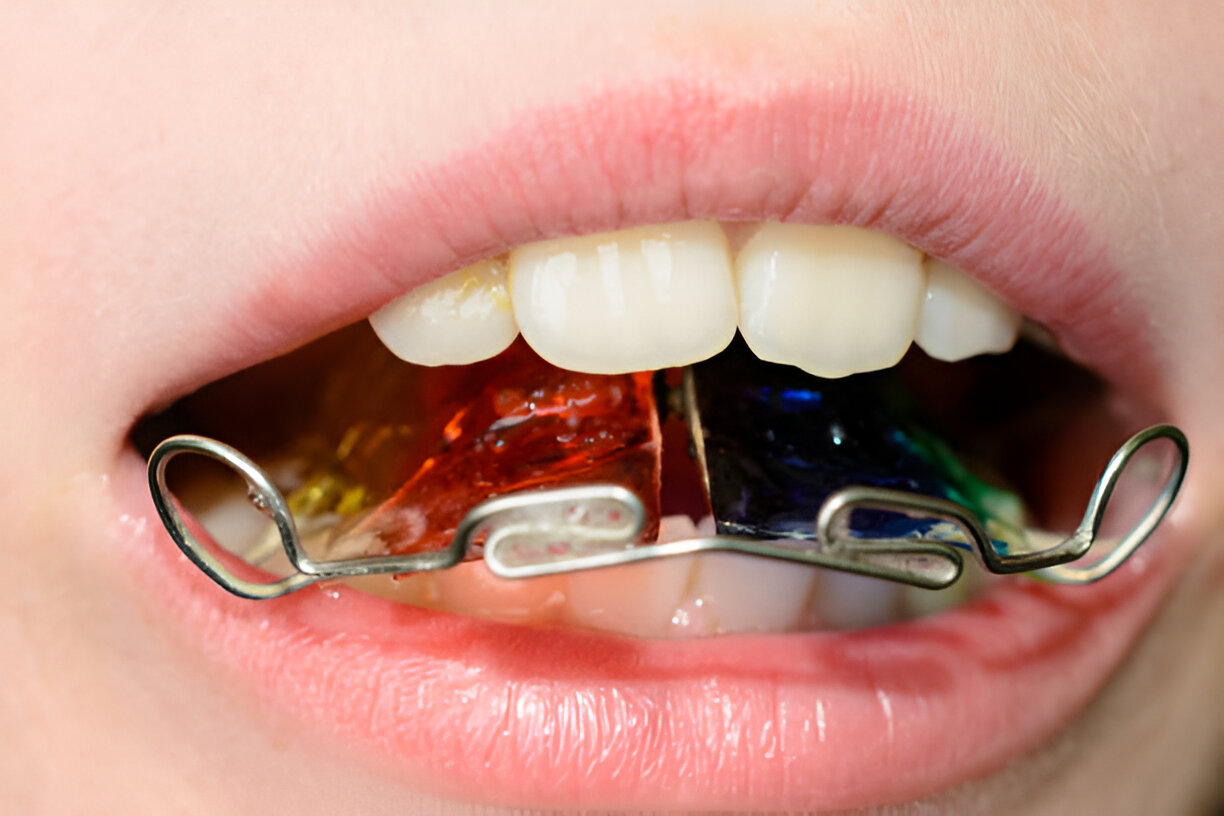
Patients need palate expanders for dental procedures, which make the palate wider and lengthen its dimensions, primarily affecting the upper palate. A palate expander acts as a device to promote the expansion of the upper jaw bones that form the palate. The device serves developing youth with non-matured upper jaws. A jaw that is too small in size can lead to teeth-crowding, crossbite, or breathing dysfunction.
The expander is specifically fitted and installed in the roof of the mouth. A screw in the center is gradually turned using a special key; this pushes softly the two halves of the upper jaw apart. Though the device usually stays in for a few months to stabilize the benefits, this procedure typically takes a few weeks.
When Do You Need an Expander?
Typically, an orthodontist would recommend a palate expander if:
- Crossbite allows the upper teeth to bite within the lower ones.
- Overcrowding leaves insufficient space for new teeth to arrive.
- Nose breathing is challenging (narrow airway).
- The jaw appears obviously narrow or uneven.
Timing matters – expanders often work best before the facial and jaw bones become fully hardened, usually between 7 and 14.
Are Expanders and Braces Painful?
Especially at first, both devices involve some inconvenience. Though it typically goes away in a few days, you may experience discomfort when the braces are tightened, or the expander is modified.
Soft food, saltwater rinses, and orthodontic wax can help to relieve irritation. Most folks carry on as usual and change in one or two weeks.
Life with an expander or braces
Using braces or a palate expander calls for some modifications in your regular. To avert damage, avoid sticky, tough, or chewy foods. To keep your teeth and gadgets clean, you will also need to floss and brush meticulously.
Final Thoughts
Knowing what you are getting into will help whether you are thinking about braces, a palate expander, or both. At first, these instruments could sound scary, but with the correct care and direction, they become a workable part of your road to improved oral health.